
How to get a driving licence in Cyprus as a foreigner
 8 June 2026 · Matthieu Tissot
You can get a driving licence in Cyprus as a foreigner, but the process depends on where your current licence was issued. EU citizens can usually exchange their licence without retesting, while UK and non-EU nationals may need to sit a theory or practical test. The Department of Road Transport handles everything.

Getting a driving licence in Cyprus is not complicated, but many people get confused because the rules differ depending on your nationality. Spend five minutes understanding which category you fall into and the rest becomes much easier. This guide covers EU citizens, Brits after Brexit, and third-country nationals - all in plain language.
What are the Cyprus basics you need to know?
Cyprus drives on the left. If you are coming from mainland Europe, that alone can take some adjustment. Speed limits are in kilometres per hour, and distances are in kilometres. So the road signs will feel familiar enough, even if the side of the road does not.
The authority that issues all driving licences in the Republic of Cyprus is the Department of Road Transport. Its full Greek name is Τμήμα Οδικών Μεταφορών. It sits under the Ministry of Transport, Communications and Works. The main headquarters is in Nicosia, but there are offices in the other four main cities: Limassol, Larnaca, Paphos, and Paralimni.
The minimum age for a standard Category B car licence is 18. That is the same as most of Europe.
One thing worth flagging early: the Republic of Cyprus only covers the south of the island. Northern Cyprus operates under a completely separate system. A Cypriot licence issued in the south does not automatically work up north. If you live or work near the buffer zone, keep that in mind.
The Department of Road Transport is your single point of contact for everything. From applying for a learner's licence to booking your final practical test, all roads lead back to them. Their website and local offices can answer questions specific to your situation. Offices can be busy, so going early in the morning helps.
You can also find useful tools and resources at ClickClickDrive Cyprus if you want to get a head start before visiting any office.
What happens if you hold an EU licence?
If you hold a licence from an EU or EEA country and you become a resident in Cyprus, good news: you can keep driving on your home licence. You do not need to retest. Cyprus honours EU licences because it is itself an EU member state.
That said, most EU residents choose to exchange your EU licence for a Cypriot one at some point. A Cypriot licence is simpler to use day to day. It saves you carrying a foreign document and explaining it to police or car hire desks.
There is a window after you take up residence in which you can make this exchange. The exact period can change, so check the current rules with the Department of Road Transport rather than relying on what a friend told you two years ago. The process is usually straightforward. You hand in your foreign licence, fill in the forms, and receive a Cypriot one in return. No written test, no driving test.
The categories on your original licence should transfer across. So if you hold a Category B car licence, you get a Category B Cypriot licence. If you have categories for motorcycles or larger vehicles, those should carry over too, but confirm this when you apply.
Bring your foreign licence in good condition. If it is damaged or hard to read, the Department may ask for additional verification. Processing times vary, so do not leave it until the week before your old licence expires.
Which process applies to you?
Select your situation to see your path
What rules apply to UK and non-EU licence holders?
This is where things get a bit more complicated. After Brexit, UK licence holders lost the automatic right to exchange their licence for a Cypriot one without any additional steps. The UK licence after Brexit situation now puts British nationals in a similar position to other non-EU citizens.
Non-EU nationals, including Brits, may need a certified translation of their licence. Depending on where your licence was issued, you may also need to sit the Cypriot theory test, the practical test, or both. Cyprus has bilateral agreements with certain countries that can simplify the process. These agreements change over time, so the current list matters. Do not assume what applied two years ago still applies today.
If your country has no bilateral agreement with Cyprus, the full process applies. That means getting a learner's licence, completing lessons with a certified instructor, passing the theory test, and then sitting the practical test. It is a longer road, but plenty of people do it every year.
A certified translation is usually done by an official translator. The Department of Road Transport can tell you exactly what they accept. Some languages are more straightforward than others.
If you are unsure where your country stands, call or visit the Department before you do anything else. Getting the right information early saves you time and money. Going in unprepared can mean wasted trips and forms filled in incorrectly.
Confirm the full document list with the Department of Road Transport before your visit.
What papers do you need to bring?
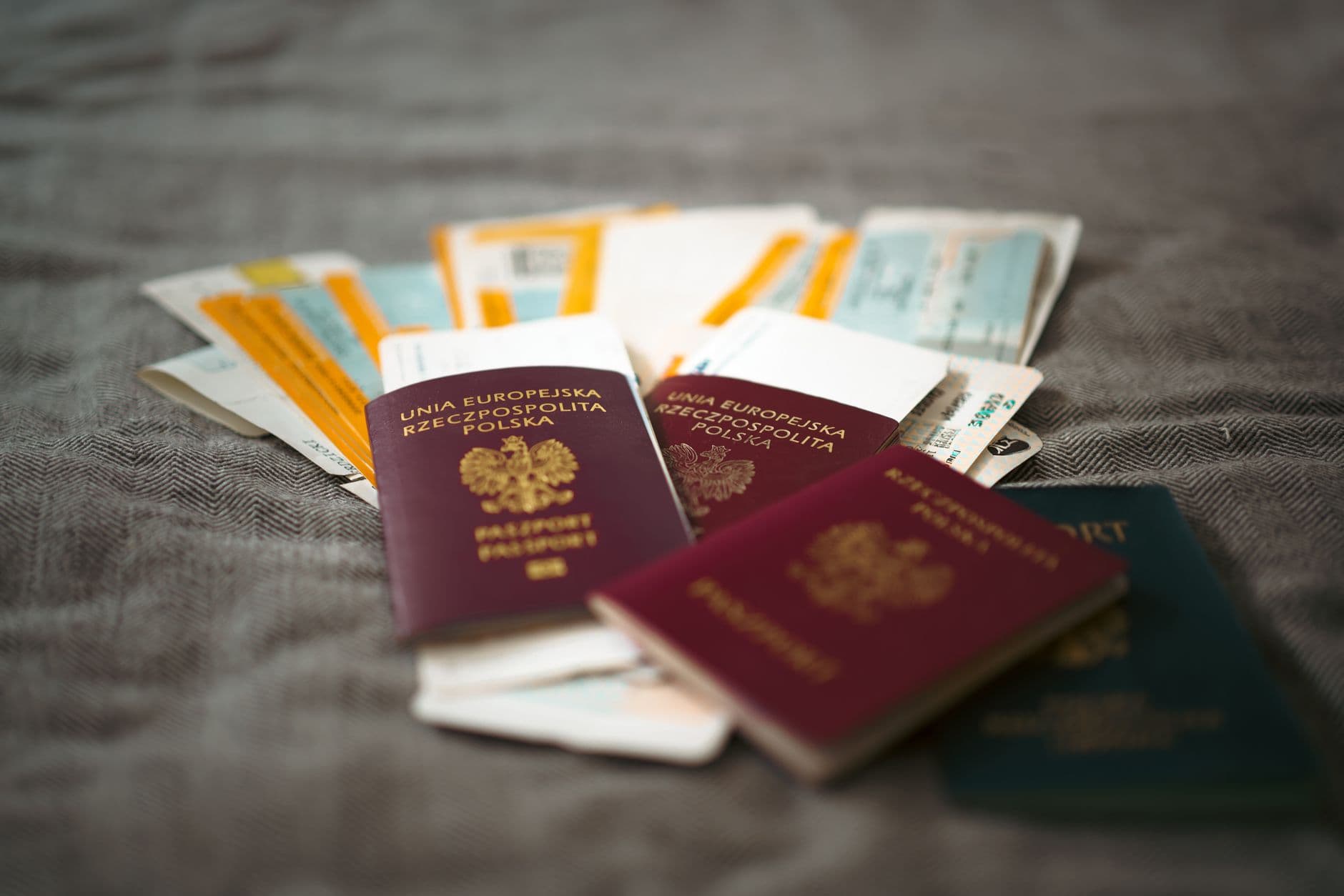
The exact list depends on your nationality and your status in Cyprus. But for most foreigners, the core documents are the same. Here is what you will typically need:
- A valid passport or national identity card
- Proof of residence in Cyprus - this can be a rental contract, a utility bill, or your yellow slip (also called the ARC, or Alien Registration Certificate)
- A recent passport-style photograph
- A medical certificate from a doctor confirming you are fit to drive
- Your existing foreign driving licence (if you have one)
- A certified translation of your licence (if it is not in Greek, English, or another accepted language)
The medical certificate is something that catches people off guard. You need a doctor to sign off that you have adequate vision and are generally fit to drive. Any registered general practitioner in Cyprus can usually do this. It is quick and not expensive.
If you are applying as a new driver with no prior licence, you will not need to bring a foreign licence or translation. You start from scratch with the learner's licence application.
Double-check everything before you go to the office. Missing even one document means a wasted trip. Call ahead or check the Department of Road Transport website to confirm the current list for your specific situation.
How do the learner's licence and lessons work?
Before you can book any test, you need a learner's licence. In Greek this is called an εκπαιδευτική άδεια. You apply for it at the Department of Road Transport. Once approved, you are legally allowed to drive - but only with a licensed instructor in the car.
While you are learning, the car must show red L plates at the front and the back. This tells other drivers you are still in training. It is a legal requirement, not optional.
Lessons are done in a car with dual controls. That means the instructor has their own set of pedals on the passenger side. This is standard practice and it keeps both of you safe while you get used to driving on the left.
Each lesson typically lasts 45 minutes. How many you need depends on your experience. Someone who has driven for years in another country will need fewer lessons than a complete beginner.
Lesson prices vary between schools and between cities. Shopping around is normal and sensible. If you are based in the capital, look at what driving schools in Nicosia are available in your area. Prices are not fixed by law, so you can compare.
Your instructor will tell you when they think you are ready to sit the practical test. Most experienced instructors are honest about this. It is better to take a few extra lessons than to sit the test before you are ready.
Can you take the theory test in English or Greek?
Yes. The theory test in Cyprus is available in both Greek and English. For most foreigners, English is the practical choice.
The test covers road signs, traffic rules, and safe driving behaviour. It is multiple choice format. You look at questions and select the correct answer from a list of options. The pass mark and number of questions - check those details with the Department of Road Transport when you book.
Studying for the test is straightforward if you put in the time. There are official practice materials available. Many driving schools also offer theory classes as part of their packages. Some people pass on their first attempt after just a few weeks of self-study.
For a detailed breakdown of what to expect, the theory test in English guide covers the format, the topics, and tips for preparation. It is worth reading before you book your slot.
Road signs in Cyprus follow international conventions. If you have driven in Europe before, many will be familiar. The main adjustment is understanding signs related to driving on the left and local road layouts.
Do not underestimate the test. Some questions are straightforward, but others are designed to catch people who only half-know the rule. Study properly, use the practice questions, and book the test when you feel ready. Rushing it often means a second attempt and a longer wait.
What happens on practical test day?
The practical test is conducted by an official examiner from the Department of Road Transport. You will not be tested by your instructor. The examiner is there to assess you independently.
The test takes place on public roads around the test centre. You will drive in normal traffic conditions. The examiner will give you directions and observe how you handle the car, the road, and other drivers.
Expect to demonstrate:
- Moving off and stopping safely
- Turning left and right at junctions
- Roundabout handling
- Reversing and parking
- Reacting correctly to road signs and signals
- Keeping a safe following distance
The car used for the test will have dual controls, just like your lesson car. The examiner can take control if needed, but that would almost certainly mean a fail.
Stay calm on test day. Nerves are normal. Your instructor will have taken you through the likely test routes during lessons. Familiarity with local roads helps a lot. If you fail, you can rebook and try again. Many people pass on their second attempt once they know what to expect.
After passing, your result is reported to the Department of Road Transport. Your full Cypriot driving licence is then issued. Keep it safe - replacing a lost licence involves another visit to the Department.
What does it cost and how long does it take?
The honest answer is: it varies. The total cost depends on how many lessons you need, whether you pass the tests first time, and which driving school you use. Check current fees with the Department of Road Transport for the official application and test charges. These are set by the government and can change.
Lesson costs are set by each school. As mentioned, shopping around is normal. Some schools offer package deals that bundle lessons, theory preparation, and test fees together. These can be good value if you are starting from zero.
For EU licence holders doing a straight exchange, the cost is mainly administrative. There are application fees, but you skip the lessons and tests entirely. That makes it much cheaper and faster.
For someone going through the full process - learner's licence, lessons, theory test, practical test - the total timeline can be several months. There is no fixed minimum time you must spend learning, but in practice most people need a few months of lessons before they are ready.
Waiting times for test slots can vary by city and by season. Nicosia tends to be busier than smaller cities. Some people find it faster to test in Larnaca or Paphos even if they live elsewhere.
Budget for the process taking longer than you expect. Government offices have their own timelines. If your documents are in order and you are prepared, things move reasonably well. If paperwork is missing or tests need rescheduling, it can drag on.
Getting your Cyprus driving licence takes some effort, but it is a one-time process. Once you have it, you are free to drive anywhere in the Republic of Cyprus with a local licence in your wallet. The paperwork can feel tedious, but most foreigners who go through it say the organised approach makes it manageable. Start by confirming your category with the Department of Road Transport, gather your documents early, and book your lessons with a school that has a solid pass rate.
About the Author

Co-Founder, ClickClickDrive
Matthieu is Co-Founder and CMO of ClickClickDrive, a marketplace that makes finding the right driving school effortless for learners across Europe. He built the platform from zero to over 2.5 million monthly organic visitors, reaching 30% B2C market share in Germany.
FAQ
Do I need to retake my driving test if I already hold a full EU licence?
No. EU and EEA licence holders who become residents in Cyprus can exchange their licence for a Cypriot one without retesting. The Department of Road Transport handles the exchange. Check the current rules with them, as the exchange window and exact process can change.
Can a UK licence holder exchange their licence directly without taking tests in Cyprus?
Not automatically. After Brexit, UK nationals are treated similarly to non-EU nationals. Whether you need to take a theory test, a practical test, or both depends on any bilateral agreement between Cyprus and the UK at the time of your application. Check the current position with the Department of Road Transport before you apply.
Is there a minimum number of driving lessons required before I can take the practical test?
Cyprus does not set a fixed minimum number of lessons. Your instructor will advise when you are ready. In practice, most learners need several months of regular lessons before they are prepared for the practical test.
Can I drive in Northern Cyprus with my Republic of Cyprus driving licence?
A Republic of Cyprus licence does not automatically extend to Northern Cyprus. The two areas operate entirely separate licensing and road systems. If you cross into the north, check the current rules before driving there.
What happens if I fail the theory or practical test?
You can rebook and try again. There is no limit on the number of attempts, but each new booking involves another fee. Check current fees with the Department of Road Transport. Most people use a failed attempt as useful experience and pass on the next try.