
The Cyprus Highway Code Book: What to Study
 28 July 2026 · Matthieu Tissot
The Cyprus Highway Code book is published by the Department of Road Transport (TOM) and covers road signs, right-of-way rules, speed limits, alcohol limits, and vehicle safety. You can get a copy from TOM offices or from a licensed driving school. The sections on road signs, priority rules, and speed limits are the most heavily tested in the theory exam.

You are sitting in a waiting room at the Department of Road Transport. You have a theory test booked, and you are not sure if you have studied the right things. It is a familiar feeling. The good news is that Cyprus uses one official book, and everything in the test comes from it. Knowing what is in that book - and which parts matter most - saves you a lot of wasted time.
What is the Cyprus Highway Code book and why is it essential?
The Cyprus Highway Code book is the single official study guide for the driving theory test. The Department of Road Transport, known in Greek as the Τμήμα Οδικών Μεταφορών (ΤΟΜ), publishes it. Every multiple-choice question in the theory exam is drawn from its pages.
There is no shortcut around it. Practice tests help, and driving schools add useful context. But the book is the source. If an answer is in the test, it is in the book first.
The Highway Code is available in both Greek and English. This matters a lot for foreign residents. You do not need to study in Greek to sit the test. The English version covers the same content and carries the same official weight.
The book is not just about passing a test, though. It reflects how roads in Cyprus actually work. Cyprus drives on the left, which surprises some people arriving from continental Europe. That British-era legacy shapes the road layout, the junction rules, and many of the sign placements described in the Highway Code. Understanding this from the start helps everything else click into place.
TOM updates the book when legislation changes. Using an old copy is a real risk. Rules around speed limits, alcohol thresholds, or sign meanings can change. Always check that your copy is the latest edition. A driving school can confirm this for you, or you can ask directly at a TOM office.
If you are just starting out and want the bigger picture first, the complete Cyprus driving licence guide is a good place to orient yourself before you open the Highway Code.
Where can you get the official book?
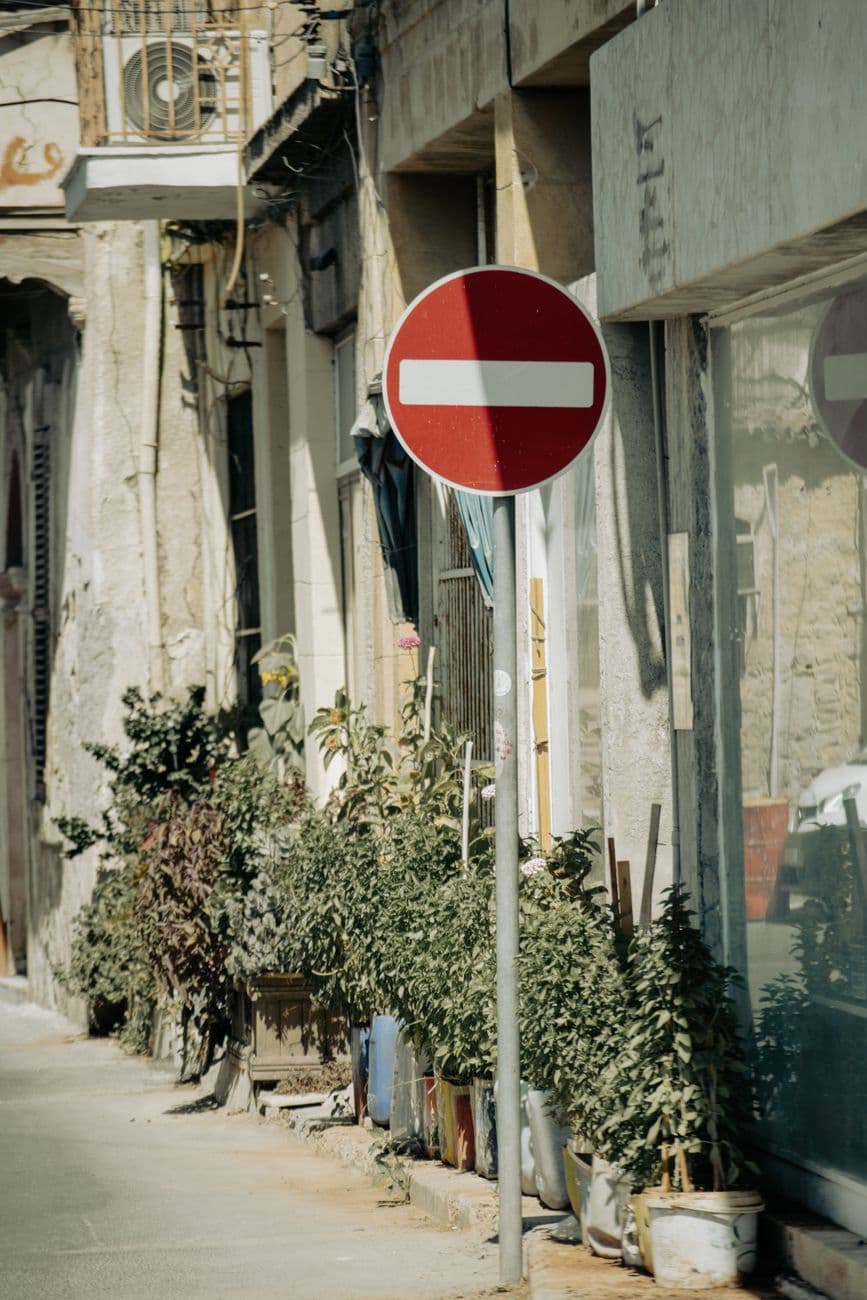
Getting the book is straightforward. You have two main options.
The first is to visit a Department of Road Transport office. TOM has offices across the island. Staff can provide the current edition and confirm it is the version used for current tests. Check current fees with the Department of Road Transport before you go.
The second option is your driving school. Licensed driving schools in Cyprus stock the official Highway Code book. Many include it as part of their enrolment package. If you have already signed up with a school, ask your instructor on your first day.
A few things to keep in mind:
- Always ask for the most recent edition. Do not assume a copy borrowed from a friend is up to date.
- Make sure you get the English version if you are not comfortable reading in Greek.
- Some driving schools sell the book separately if you are studying independently before lessons start.
If you are a foreign resident trying to work out how the whole licence process fits together, the guide on how to get a Cyprus driving licence as a foreigner walks you through the steps from the beginning.
The book itself is not large. It is a practical reference, not a textbook. Most candidates work through it in a few focused sessions alongside their practice question banks.
What topics does the Highway Code cover?
The Highway Code is organised into clear topic areas. Each one feeds directly into theory test questions. Here is what the book includes:
- Road signs - warning signs, regulatory signs, and information signs
- Road markings - lines, arrows, and what they tell drivers
- Right-of-way rules - who goes first at junctions, roundabouts, and crossings
- Speed limits - motorways, rural roads, and built-up areas
- Safe following distances - how far to stay behind the vehicle ahead
- Alcohol limits - the legal thresholds for different driver categories
- Vehicle safety checks - tyres, lights, brakes, and basic pre-drive checks
- Motorway driving - lane discipline, overtaking, and entry and exit rules
Speed limits in Cyprus are 100 km/h on motorways, 80 km/h on rural roads, and 50 km/h in built-up areas. Posted signs always take precedence over these general limits. The book makes this clear, and the test will check that you understand it.
The alcohol section is specific. The legal blood alcohol limit is 0.5 mg/ml for experienced drivers. For new drivers and professional drivers, that drops to 0.2 mg/ml. These numbers appear in test questions, so you need to know both figures.
The vehicle safety section is sometimes skipped by candidates who focus only on road rules. That is a mistake. Questions about tyre condition, brake checks, and lighting do appear in the test.
Understanding Cyprus driving licence categories can also help you focus. Different categories carry different rules, and the Highway Code reflects this.
The key sections of the official book you must study before sitting the theory test.
Which sections appear most often in the theory test?
The theory test is multiple-choice. Questions are drawn from across the Highway Code, but some areas come up far more than others based on what the book emphasises.
Road signs get the most coverage. Cyprus uses international sign conventions with some local features. Warning signs, priority signs, and prohibitory signs all appear regularly. Candidates who skim this section often lose easy marks.
Right-of-way rules are the second big area. Junction priority, roundabout rules, and pedestrian crossing obligations are tested heavily. The rules are logical once you learn them, but the wording in test questions can be tricky. Reading carefully matters.
Speed limits and their exceptions come up often. The general limits are straightforward. The edge cases - roadworks zones, school areas, wet conditions - require closer reading of the relevant chapters.
The motorway section also generates a steady stream of questions. Lane discipline, minimum speeds, overtaking rules, and what to do in a breakdown are all tested. Do not treat this chapter as optional.
Alcohol limits are almost always tested. You need to know both thresholds - 0.5 mg/ml and 0.2 mg/ml - and which drivers each applies to.
For a fuller breakdown of what the test format looks like, the Cyprus driving test guide goes into useful detail about how questions are structured and what to expect on test day.
How can you organise your study effectively?

Studying the Highway Code does not have to be overwhelming. A structured approach works best.
Start with road signs. Spend your first two or three study sessions on nothing else. Use the book's sign diagrams and say out loud what each one means. This builds memory faster than just reading.
Then move to right-of-way rules and junctions. Draw simple diagrams if that helps. Most candidates find this section clicks after a few practice questions.
Here is a simple study sequence that works:
- Road signs (warning, regulatory, information)
- Road markings and what they mean
- Right-of-way and junction rules
- Speed limits and their exceptions
- Motorway driving rules
- Alcohol limits and vehicle safety checks
After one pass through the book, switch to practice questions. Most Cyprus driving schools provide mock tests that mirror the real exam. Use these to find your weak spots, then go back to the relevant chapter.
Do not study for hours without a break. Short sessions of 45 minutes with a rest work better than a four-hour marathon the night before.
If you want to understand how study fits into the full process, the step-by-step driving licence guide lays out the whole journey from application to licence.
Are you ready for the test?
Answer 3 questions to find out
Question 1 of 3
How many driving lessons have you completed?
Does the Cyprus Highway Code differ from other European codes?
Cyprus is a European Union member, so the broad framework of road rules aligns with EU standards. But there are real differences that catch people out, especially those who have driven in other EU countries.
The biggest one is which side of the road you drive on. Cyprus drives on the left. This is not just a habit - it changes how junctions work, where you look first, and how overtaking is done. The Highway Code is written entirely from this perspective. Drivers arriving from France, Germany, or Spain need to reset their instincts.
Road signs in Cyprus follow international conventions, but the positioning and context differ slightly from mainland Europe. Some signs appear in places European drivers would not expect them. The book explains local practice clearly.
The alcohol limit in Cyprus is 0.5 mg/ml for most drivers. This matches several EU countries but is stricter than some. The reduced limit of 0.2 mg/ml for new and professional drivers is also worth noting for anyone who has recently qualified elsewhere.
Speed limits are broadly similar to other EU countries, but the rural road limit of 80 km/h can catch people used to higher limits in other jurisdictions. Again, posted signs always override the general limits.
One practical note: if you are converting a foreign licence rather than sitting a full test, the rules are different. Check the how to get a Cyprus driving licence as a foreigner guide for specifics on that process.
What other study materials exist beyond the book?
The Highway Code book is your foundation. But most successful candidates use more than one resource.
Licensed driving schools across Cyprus offer supplementary practice question banks. These mirror the format of the real theory test closely. They are not a replacement for reading the book, but they are excellent for testing yourself once you have covered the material.
Mock tests are available through many driving schools, either in print or on a computer at the school. Some candidates do dozens of mock tests in the final week before their exam. This is good practice - repetition builds confidence and flags gaps in knowledge.
Your driving instructor is also a study resource. During lessons, ask about any Highway Code rules you do not understand. Seeing a rule applied in real traffic makes it easier to remember in a test room.
Some candidates also use online resources, but be cautious here. Not all websites reflect current Cyprus law or the specific wording used in TOM exams. The official book is always the final authority.
On costs - if you are budgeting for your licence, the guide on driving lesson costs in Cyprus gives a realistic picture of what to expect to spend overall.
Finally, if you fail the theory test, you can re-sit it after a waiting period. Check current waiting periods and fees with the Department of Road Transport. Most candidates who fail once pass the second time after targeted revision of their weak areas. The test is fair if you have studied the right material.
---
The Cyprus Highway Code book is a compact, practical guide. It is not designed to trick you. Everything in the theory test comes from its pages, and the English edition makes it fully accessible to foreign residents. Get the latest edition from TOM or your driving school, follow a structured study plan, and back it up with mock tests. That combination is what gets most candidates through. If you want the full picture of what lies ahead after the theory test, the Cyprus driving test guide covers the practical exam in the same level of detail.
About the Author

Co-Founder, ClickClickDrive
Matthieu is Co-Founder and CMO of ClickClickDrive, a marketplace that makes finding the right driving school effortless for learners across Europe. He built the platform from zero to over 2.5 million monthly organic visitors, reaching 30% B2C market share in Germany.
FAQ
Where can I buy the Cyprus Highway Code book in English?
You can get the official English edition from any Department of Road Transport (TOM) office or from a licensed driving school. Check current fees with the Department of Road Transport before your visit. Make sure to confirm you are getting the latest edition.
How many questions are in the Cyprus theory test?
The test is multiple-choice and draws from all topics in the Highway Code book. For the exact number of questions and current pass mark, check directly with the Department of Road Transport, as these details can change when the format is updated.
What is the blood alcohol limit for new drivers in Cyprus?
New drivers in Cyprus must stay below 0.2 mg/ml. This lower limit also applies to professional drivers. Experienced drivers face a limit of 0.5 mg/ml. Both figures are tested in the theory exam.
Can I use a practice question bank instead of reading the Highway Code book?
Practice questions are very useful, but they work best alongside the book, not instead of it. The book explains the reasoning behind rules, which helps you answer questions you have not seen before. Use the book first, then practice questions to test yourself.
What happens if I fail the Cyprus theory test?
You can re-sit the test after a waiting period set by TOM. Check current waiting periods and fees with the Department of Road Transport. Most candidates who revise their weak areas pass on the second attempt. Ask your driving school for targeted mock tests based on the topics where you lost marks.